
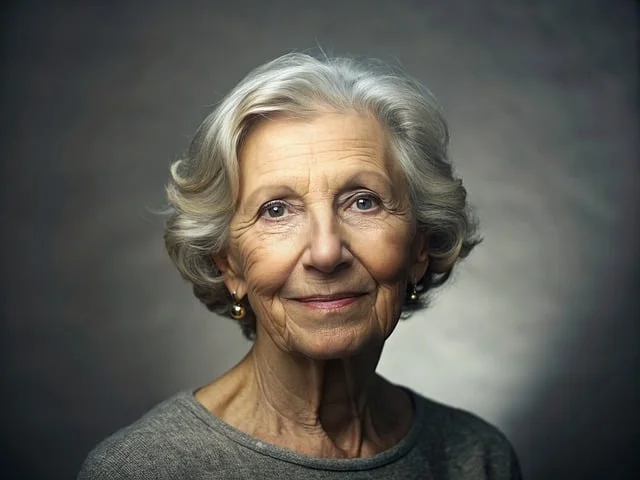
Challenging Ageist Beauty Standards: The Voices of Women Aged 61 to 92
When we think about beauty, we often imagine youthful faces, slim figures, and smooth skin. These ideas are everywhere—in magazines, on TV, and all over social media. But what happens when we get older? What does beauty mean for someone who is 61, 75, or even 92? These are important questions, especially since society often forgets about older women when talking about beauty. In this blog post, I want to explore the thoughts and feelings of women aged 61 to 92 about their bodies and what beauty means to them as they age.
The Unseen Struggles of Aging Women
We live in a world where beauty is often seen as something for the young. It’s common to hear that beauty fades with age, and many women feel pressured to look younger than they are. This pressure can be overwhelming, and it can make older women feel invisible or unimportant. They might think, “If I don’t look young, does that mean I’m not beautiful?”
I recently read a study by LC Hurd from the University of British Columbia that sheds light on this issue. The study involved interviews with women aged 61 to 92, asking them about their thoughts and feelings on aging and beauty. What stood out to me was how deeply these women had absorbed society’s messages about beauty. Even though they knew that beauty shouldn’t be about youth alone, they still felt the weight of these ageist standards.
One woman in the study, who was 68 years old, shared how she sometimes felt bad about her wrinkles. She said that whenever she saw older actresses on TV with smooth skin, she would look in the mirror and wonder if she needed to do something to look younger. This shows how powerful these beauty standards can be, making even confident women question themselves.
The Pressure to Stay Young
The idea that beauty is tied to youth isn’t just about appearance; it’s about how society values people. When women are constantly told that looking young is important, they may start to believe that their worth diminishes as they age. This can lead to feelings of inadequacy and low self-esteem, especially when surrounded by images of youthful beauty.
For instance, a 74-year-old woman in the study mentioned how she avoided going to certain social events because she felt out of place among younger women. She shared how she would spend extra time applying makeup and trying to hide signs of aging, like her gray hair, because she felt that people might judge her based on her appearance. This shows that the pressure to look young can affect not just how women see themselves but also how they interact with the world around them.
The Internalization of Beauty Standards
One of the most interesting findings from the study was how these women internalized ageist beauty norms. This means that even though they understood that aging is natural and inevitable, they still felt the need to meet certain beauty standards. It’s like having two conflicting thoughts—on one hand, they knew that their bodies were changing naturally; on the other hand, they felt they needed to look younger to be considered beautiful.
Take the example of an 83-year-old woman from the study. She spoke about how she felt proud of her life experiences and the wisdom that came with age. However, she also mentioned feeling embarrassed about her thinning hair and sagging skin. She admitted that she often compared herself to younger women, even though she knew it wasn’t fair to do so. This shows how deeply ingrained these beauty standards can be, affecting even those who are aware of them.
Health Over Beauty
Despite the pressure to look young, many women in the study emphasized that health was more important to them than physical attractiveness. As they aged, they began to prioritize feeling good over looking good. This shift in focus is important because it shows that these women were finding new ways to value themselves outside of traditional beauty standards.
For example, a 72-year-old woman shared how she started walking every day, not to lose weight or look younger, but to stay healthy and active. She talked about how she used to be obsessed with her appearance, but now she feels more confident because she knows she’s taking care of her health. This is a powerful reminder that beauty isn’t just about what you see on the outside—it’s also about how you feel on the inside.
Another woman in the study, aged 89, mentioned how she had stopped worrying about her wrinkles and gray hair. Instead, she focused on maintaining her health so she could continue to enjoy life. She said, “I’ve lived a long life, and my body tells the story of that life. I don’t need to look young to feel beautiful.” Her words reflect a growing recognition among older women that their value and beauty are not tied to how closely they fit society’s narrow definition of beauty.
Embracing the Natural Aging Process
One of the most inspiring aspects of the study was how many women talked about accepting the natural aging process. They recognized that aging is a part of life and that it’s something to be embraced, not feared. This acceptance allowed them to see beauty in their aging bodies, even when they didn’t fit society’s ideal image.
A 79-year-old woman shared how she had come to appreciate her wrinkles because they were a sign of all the smiles and laughter she had experienced over the years. She said, “These lines on my face—they’re a part of who I am. They’ve been earned through a life well-lived.” Her perspective is a reminder that beauty can be found in the journey of life, not just in the appearance of youth.
Another woman, aged 61, mentioned how she used to dye her hair to cover the gray but eventually decided to stop. She realized that her gray hair was a natural part of aging and that it didn’t make her any less beautiful. She said, “Going gray was like letting go of a burden. Now, I feel more like myself.” This shows how embracing the natural aging process can lead to a greater sense of self-acceptance and peace.
Redefining Beauty for Older Women
The study by LC Hurd highlights a significant issue—society’s narrow definition of beauty often leaves older women feeling left out. But the voices of these women also offer hope. By focusing on health, embracing the natural aging process, and finding beauty in life experiences, they are redefining what it means to be beautiful in later life.
I believe it’s time for all of us to challenge these ageist beauty standards. We can start by recognizing that beauty isn’t just for the young—it’s for everyone, regardless of age. Older women have stories, wisdom, and experiences that make them beautiful in ways that go far beyond physical appearance.
If you or someone you know is struggling with these beauty standards, remember that you are not alone. It’s okay to feel the pressure, but it’s also important to remind yourself that your worth isn’t tied to how young you look. Beauty is about more than just appearance—it’s about who you are, how you live your life, and how you treat others.
Conclusion
In conclusion, the voices of women aged 61 to 92 offer valuable insights into the challenges of aging in a society that often equates beauty with youth. While the pressure to stay young can be overwhelming, many older women are finding ways to redefine beauty on their terms. By prioritizing health, embracing the natural aging process, and seeing beauty in their life experiences, they are challenging ageist beauty standards and reminding us all that beauty is timeless.
As we move forward, let’s continue to support and celebrate the beauty of older women. Let’s challenge the narrow definitions of beauty that exclude them and create a society where women of all ages are valued and appreciated for who they are. After all, true beauty knows no age.